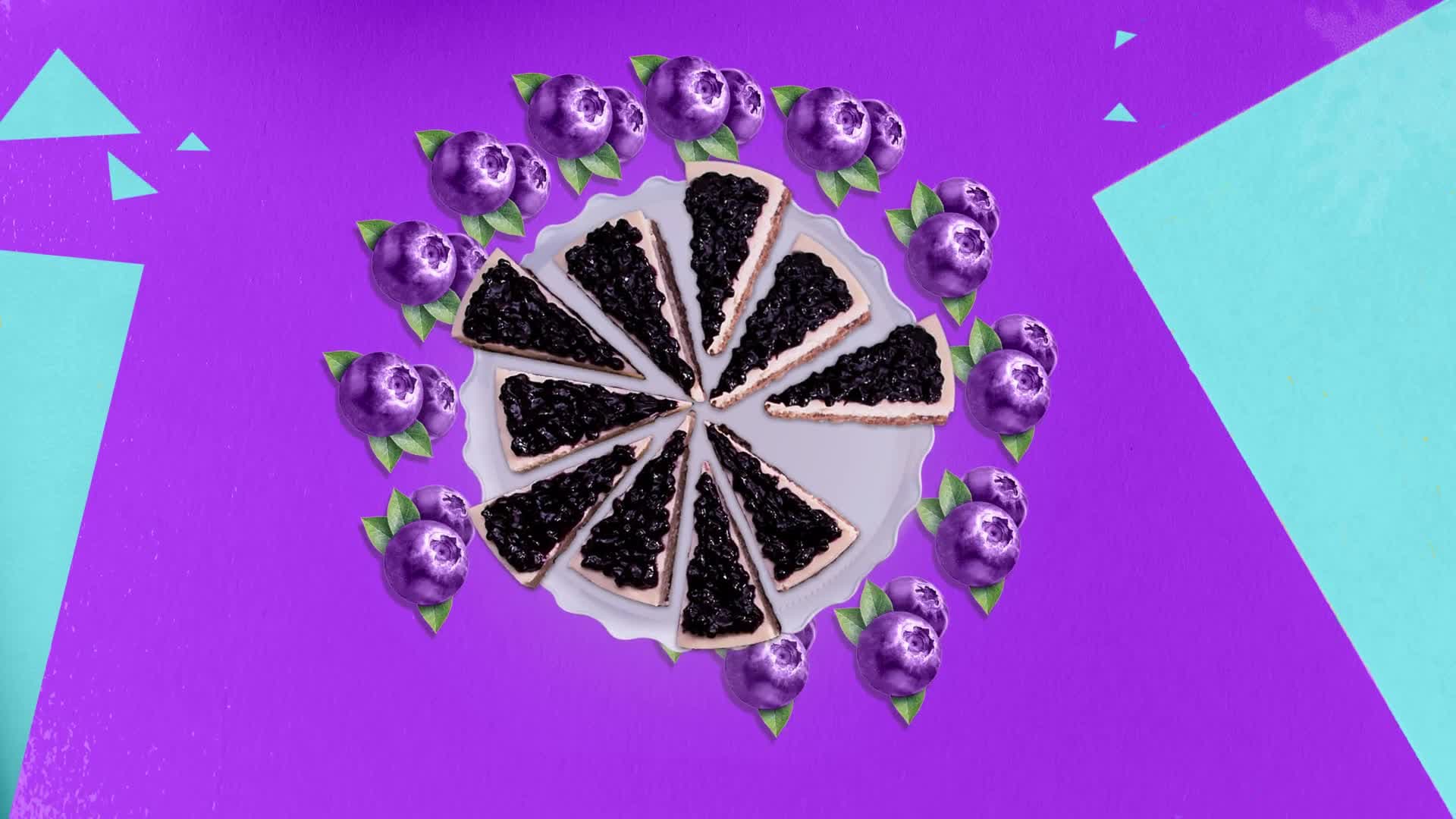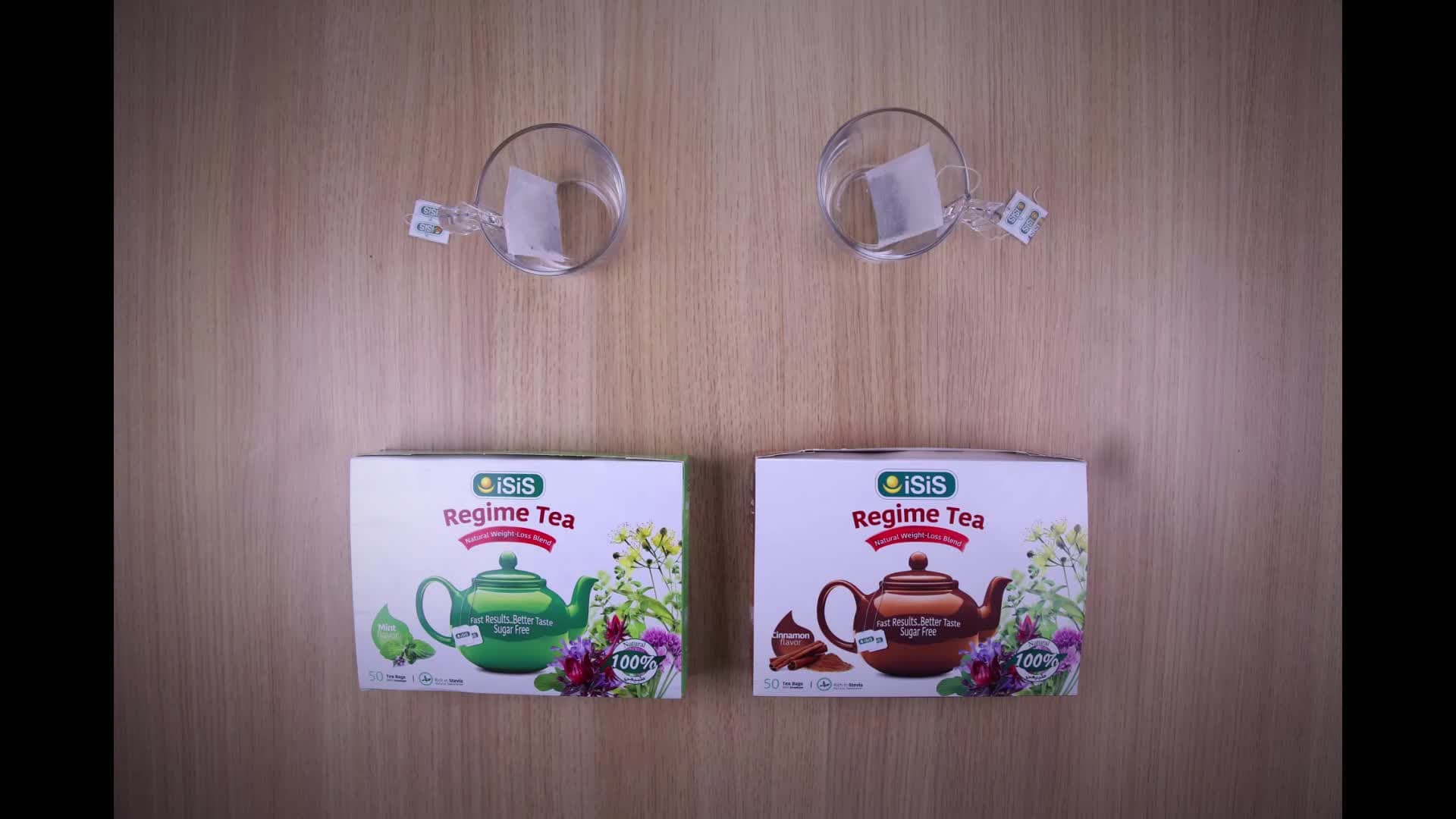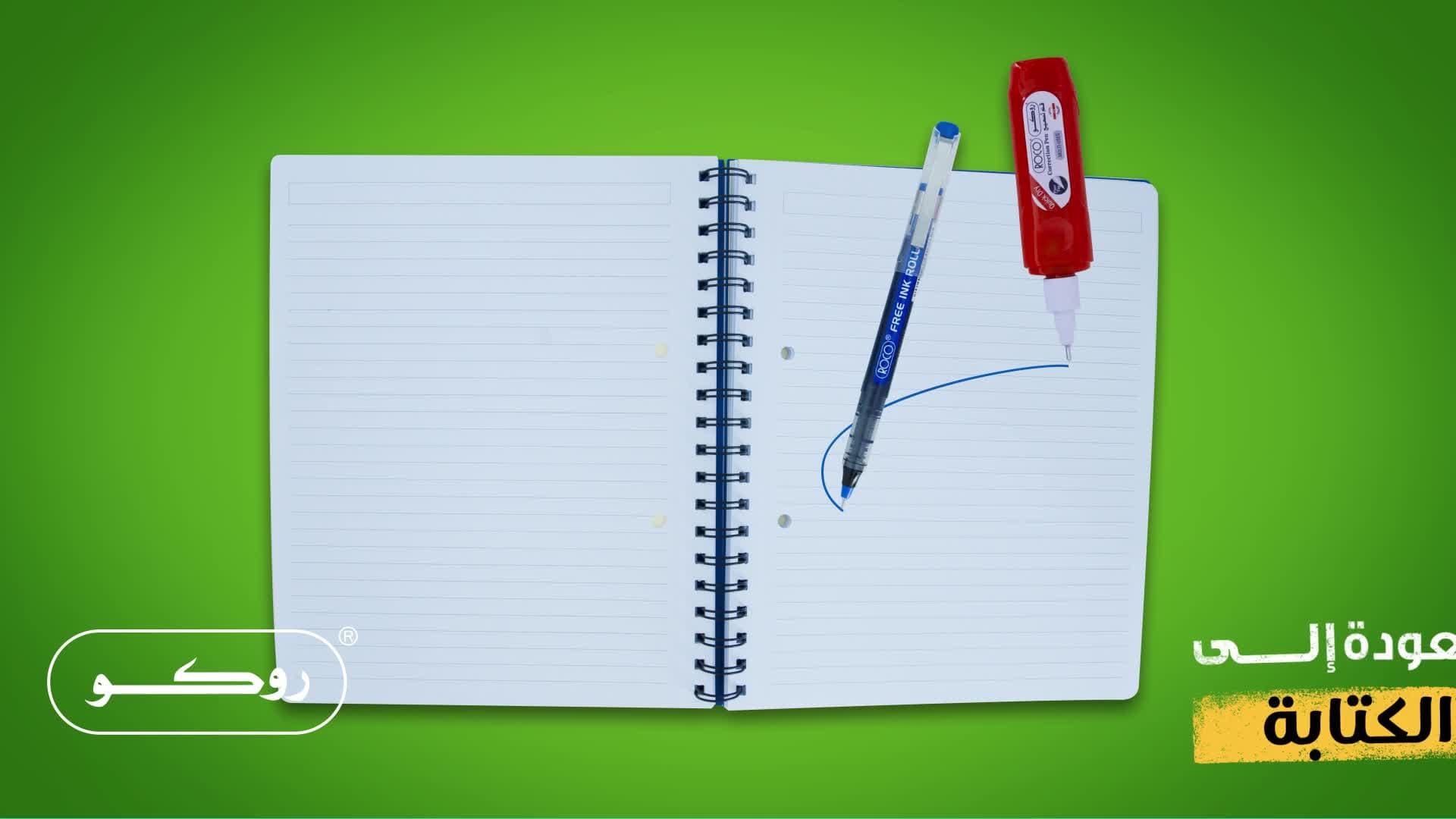

Tree develops stop motion and collage animation for product videos, food and retail brands, social campaigns and creative brand content.
Two Techniques, Different Results
- How it is made: Collage animation: Cut-outs, photos and textures layered and animated, often digitally; Stop motion: Physical objects or sets photographed frame by frame
- Look: Collage animation: Layered, graphic, mixed-media; Stop motion: Tactile, real materials, real light
- Best for: Collage animation: Editorial, cultural, music and social content; Stop motion: Products, food, packaging, retail
- Production needs: Collage animation: Artwork preparation and compositing; Stop motion: Set, props, lighting, camera set-up
Why Choose a Handmade Look
- It stands out in feeds dominated by smooth digital animation.
- Real materials make products feel physical and credible.
- The imperfections read as craft, which suits artisanal, food and lifestyle brands.
- Short loops and reveals work well for social media.
How Stop Motion Is Planned
Stop motion is often shot at about 12 images per second for a deliberate stepped feel, or higher for smoother movement, so a 30-second piece can involve hundreds of photographed frames. That is why the storyboard, props and lighting are fixed before shooting begins.
Scope Questions to Settle Early
- Which objects and materials must appear, and who supplies them?
- Is the shoot in a studio or on location?
- Are people shown, or only objects and hands?
- Which aspect ratios are needed, so framing can be planned?
- Is sound design or music included?