Skip to content
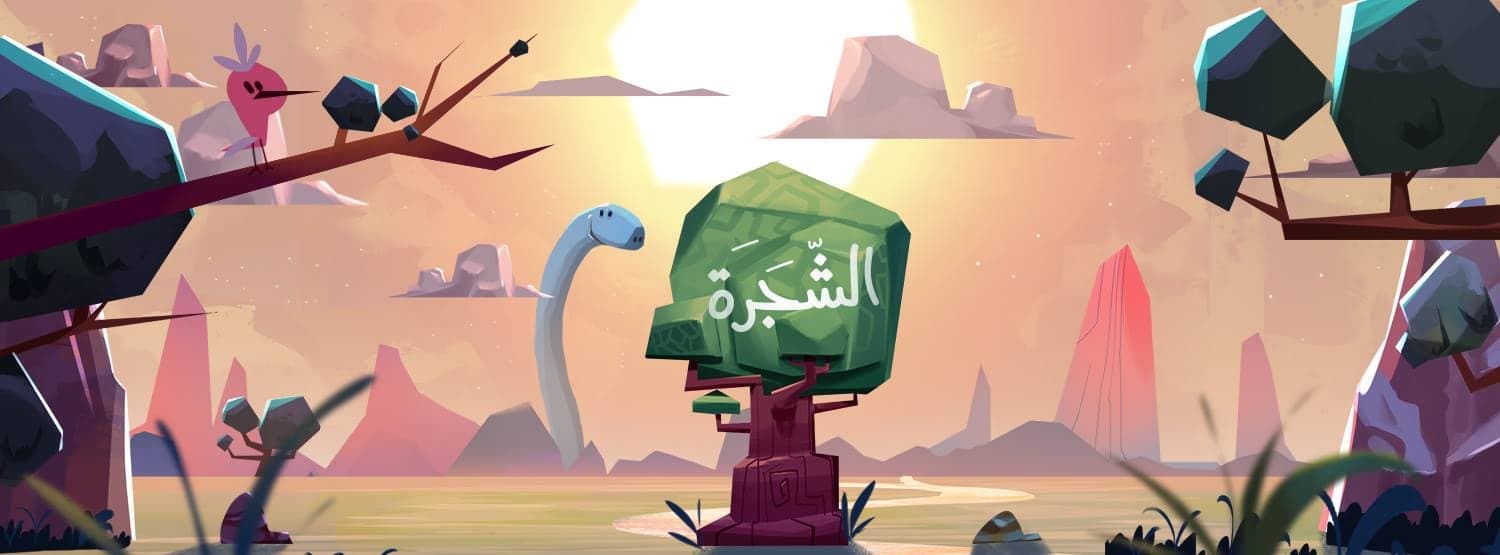
Illustrated landscape with the Tree statue at its centre

2D Animation Company in Egypt

Some ideas are hard to explain, and others deserve more than words. Tree is a 2D animation company in Cairo that turns messages, products and concepts into animated videos people can follow and remember.

We work in eight animation styles because no single style suits every message. This page helps you choose; each style has its own page with detail on what it is, when to use it and what a project involves.

Which Animation Style Fits Your Message?

The Production Process

Every animated video follows the same sequence, adjusted to the style.

  • Brief and objective: audience, message, platforms, length and tone.
  • Script: the message structured into scenes and written for the ear. As a guide, spoken narration runs at roughly 130–160 words per minute.
  • Storyboard and style frames: you see the look and the pacing before any animation is made.
  • Illustration and design: characters, backgrounds and graphic assets.
  • Voice-over and music: recording or selection, in Arabic, English or both.
  • Animation and sound design: scenes animated and synchronised to audio.
  • Review and delivery: agreed revision rounds, then final files.

Formats and Platforms

The same story often needs several versions. Plan these at the start so scenes are composed to survive cropping.

  • 16:9 landscape for websites, YouTube, presentations and television.
  • 9:16 vertical for Reels, TikTok, Stories and Shorts.
  • 1:1 or 4:5 for social feeds.
  • Short cut-downs (for example 6, 15 and 30 seconds) from a longer master video.
  • Subtitles and Arabic or English on-screen text variants.

What Affects Cost and Timeline

Cost and schedule depend on length, the number of scenes and characters, illustration detail, whether music and voice-over are included, the number of language versions and how many revision rounds are agreed. Send a brief and we will provide a scoped estimate.
2D Animation & Motion Graphics services

  • Motion Graphics & Animated Infographics

    Motion graphics animate typography, shapes, icons and data rather than characters. They are the right tool when the message is information: numbers, steps, comparisons or an abstract idea that has no natural picture.

    Explore
  • Illustrated Animation & Concept Art

    Concept art defines how a story looks before anything moves: the world, the lighting, the characters and the mood. Illustrated animation then brings those painted scenes to life with camera moves, parallax and character action.

    Explore
  • Jingle Animation

    A jingle sticks because rhythm and repetition are easy to remember. Animating it adds a visual identity: characters, colours and gestures that audiences connect to the song.

    Explore
  • Explainer Videos

    An explainer video answers three questions quickly: what is this, who is it for and why does it matter. It is most useful for products and services that take too long to explain in text.

    Explore
  • Character, Cartoon & Kids Animation

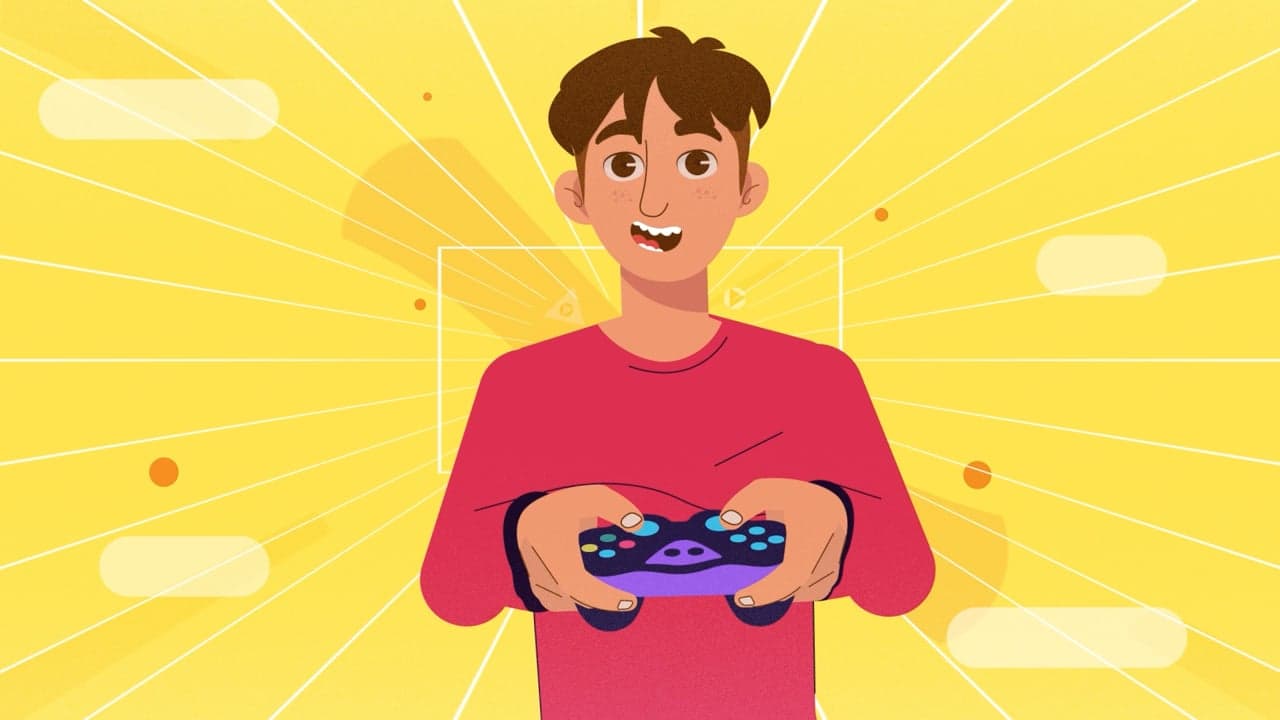
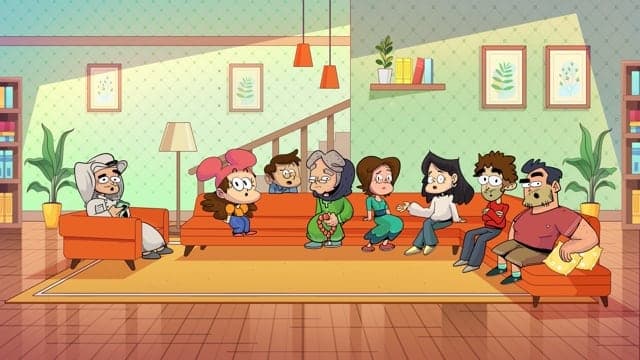
    Characters give a message a face. A cartoon character can explain, joke, reassure or teach in ways a narrator cannot, and children in particular follow ideas through characters they like.

    Explore
  • Collage & Stop Motion

    Stop motion and collage animation have a handmade quality that digital animation rarely matches. Objects, paper, textures and photographs move frame by frame, which makes the result feel tangible and distinctive.

    Explore
  • Whiteboard Animation

    Whiteboard animation reveals an explanation as it is drawn. Because viewers watch each idea appear in sequence, it suits material that has to be learned in order.

    Explore
  • Character & Mascot Design

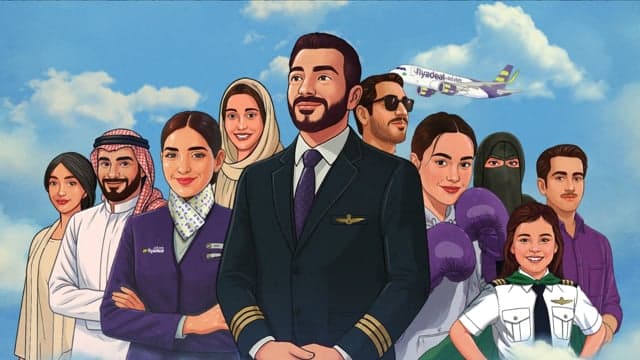
    A mascot lets a brand speak in a friendly, recognisable voice. Done well, it gives campaigns continuity: the same face appears on packaging, social media, animation and print.

    Explore

Frequently asked questions

Match the style to the job. Data and processes suit motion graphics, a product walkthrough suits an explainer, and a story with emotion suits character animation. The table above summarises the options.

Yes. Voice-over and on-screen text can be planned in either language or both, and the script is written for each language rather than only translated.

No. A clear objective and audience are enough; Tree can write the script as part of the project.

The number of rounds is agreed in the project scope, with approval points after script, storyboard and animation.

Have an Idea Worth Sharing?

Let's turn your next big idea into something people will remember.

Start Your Project